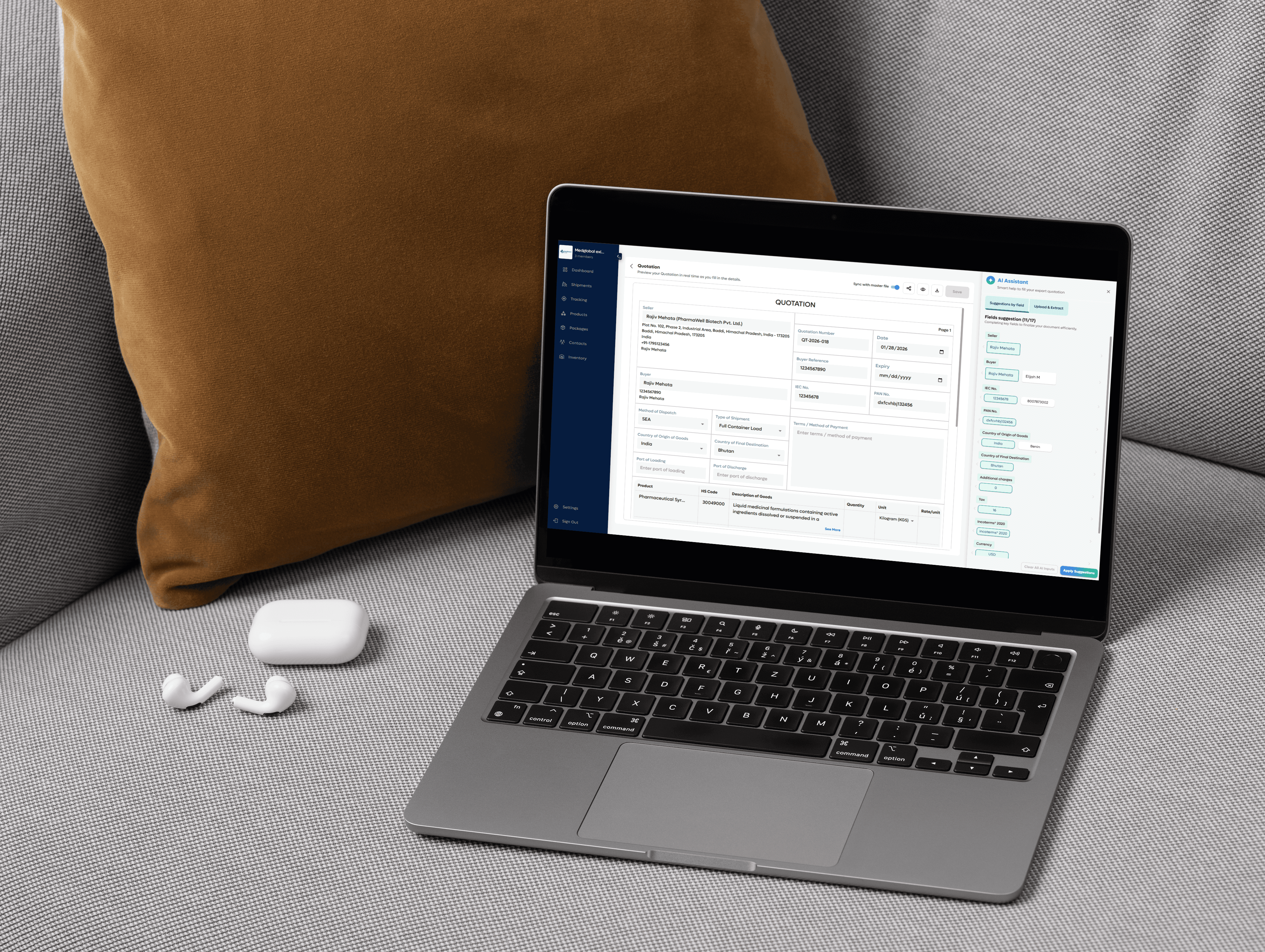
Bill of Lading Template
A Bill of Lading is a legal document issued by a Carrier to the Shipper, also called the Consignor. It confirms the goods were received in good condition and are ready to ship. It can also act as proof of ownership. Only the listed Consignee has the right to request the release of the cargo.
What is a Bill of Lading used for?
A Bill of Lading (BOL) is a legal document used in freight shipments across all modes of transportation. It serves three key roles:
Evidence of contract of carriage: It shows the agreement between the shipper, carrier, and consignee. This contract outlines the terms and conditions for moving the cargo.
Receipt of goods: The BOL acts as proof that the shipping company received the shipment in good condition. It includes key shipment details, such as the container number, description of goods, and any special instructions.
Document of title to the goods : The holder of the bill has the right to claim or transfer ownership of the cargo. The shipper may hold the document until payment is made to avoid early release to the recipient.
*Only the consignee listed on the Bill of Lading has contractual rights to request the release of the cargo.

How to Create a Bill of Lading in Freightnaut
Open Freightnaut: Log in to Freightnaut in your browser and navigate to the Export Documents section from the main dashboard.
Choose the Bill of Lading: Click Create New Shipment and select Bill of Lading from the list of available export document templates. You can include other shipment or export documents in the same document set to keep everything connected.
Fill out & customize with AI assistance: Enter shipment, consignee, carrier and cargo details required for the Bill of Lading.
Freightnaut’s AI Assistant helps you:
Auto-fill shipment and party details
Sync data across all linked documents
Reduce re-entry errors and missing information
You can customize fields as needed and add your company letterhead and branding for a professional finish.
Sign & seal digitally: Add a digital signature in the signature field and save the document. From the document preview screen, apply your digital company seal or stamp in one click no printing or scanning required.
Download or share instantly: Download or share the Bill of Lading in PDF or CSV format with a single click.
Documents can be shared securely with carriers, freight forwarders, banks or buyers or imported into other systems without manual data re-entry.
Your questions, answered
Types of Bill of Lading documents?
Carriers and logistics providers issue different types of Bills of Lading (B/L) depending on how the shipment is arranged and released. Common types include:
House Bill of Lading (HBL) – Issued by a freight forwarder or NVOCC to the shipper
Surrender Bill of Lading – Originals are surrendered so cargo can be released without paper copies
Straight Bill of Lading – Non-negotiable; cargo is delivered to the named consignee only
Master Bill of Lading (MBL) – Issued by the main carrier to the freight forwarder
Blank Bill of Lading – Partially completed or unsigned form, usually finalized by the carrier
Freightnaut supports preparing Bill of Lading data accurately so it aligns with carrier-issued documents.
What is the difference between Freight Collect and Freight Prepaid?
A Bill of Lading clearly states whether freight charges are Freight Collect or Freight Prepaid, which defines who pays the international shipping costs.
Freight Collect – The consignee pays the freight charges
Freight Prepaid – The shipper pays the freight charges
Cargo is usually released only after the carrier receives payment.
Common Incoterms® by freight type:
Freight Collect: EXW, FCA, FAS, FOB
Freight Prepaid: CFR, CIF, CPT, CIP, DAP, DPU, DDP
What information is included on a Bill of Lading?
A standard Bill of Lading includes the following details:
Shipper details – company name, address, and contact information
Consignee details – company name, address, and contact information
Notify party – if different from the consignee
Carrier details – name, logo, address, contact details, and terms of carriage
Bill of Lading number – unique reference issued by the carrier or forwarder
Vessel name and voyage number
Place of receipt, port of loading (POL), port of discharge (POD), place of delivery, and final destination
Container number, seal number, shipping marks and numbers
Description of goods, gross weight, cubic measurement (m³), and special instructions
Freight status – prepaid or collect
Place and date of issue, signature
Terms and conditions of carriage (usually on subsequent pages)
In Freightnaut, shipment details can be reused across documents to reduce re-entry and inconsistencies.
Who issues a Bill of Lading?
A Bill of Lading is issued once goods are received for transport. It confirms custody of the cargo and outlines transport terms.
It may be prepared or issued by:
Carrier – Shipping line, airline, or trucking company issuing the official B/L
Freight forwarder – Often issues a House Bill of Lading
Shipper – May prepare the document for carrier approval
Logistics or shipping agent – Prepares the B/L on behalf of another party
NVOCC – Issues its own House Bill of Lading and acts as carrier on paper
Each B/L includes shipment, consignee, and transport details, though formats may vary by country or carrier.
What is the penalty for late filing of a Bill of Lading?
For shipments entering the United States, late filing under Importer Security Filing (ISF) rules can result in penalties:
Standard penalty: USD 5,000 per shipment
Maximum fine: Up to USD 10,000 for errors or missing data
Common issues: Late ISF submission, missing information, or mismatches with the B/L
First-time violations may be reduced, but repeat offences can lead to cargo holds or inspections. Filing accurately and on time helps avoid delays and fines.
Are a Bill of Lading and a Packing List the same?
No. They serve different purposes.
A Bill of Lading is a legal contract of carriage. It confirms receipt of goods, outlines delivery terms, and may act as a document of title.
A Packing List details what is inside the shipment items, quantities, weights and packaging.
Both are required for international shipping but are not interchangeable.
What’s the difference between a Packing List and a Bill of Lading?
The Packing List shows what is being shipped and how it is packed.
The Bill of Lading shows how the goods are transported and under what legal terms.
Customs, warehouses, and buyers rely on packing lists for inspection, while carriers and banks rely on Bills of Lading for transport and ownership.
Is the Bill of Lading template free?
Yes. Freightnaut provides access to a Bill of Lading template that includes all key shipment fields required for international freight.
You can create, edit, and download your B/L and manage it alongside other export documents such as commercial invoices and packing lists all in one workflow.