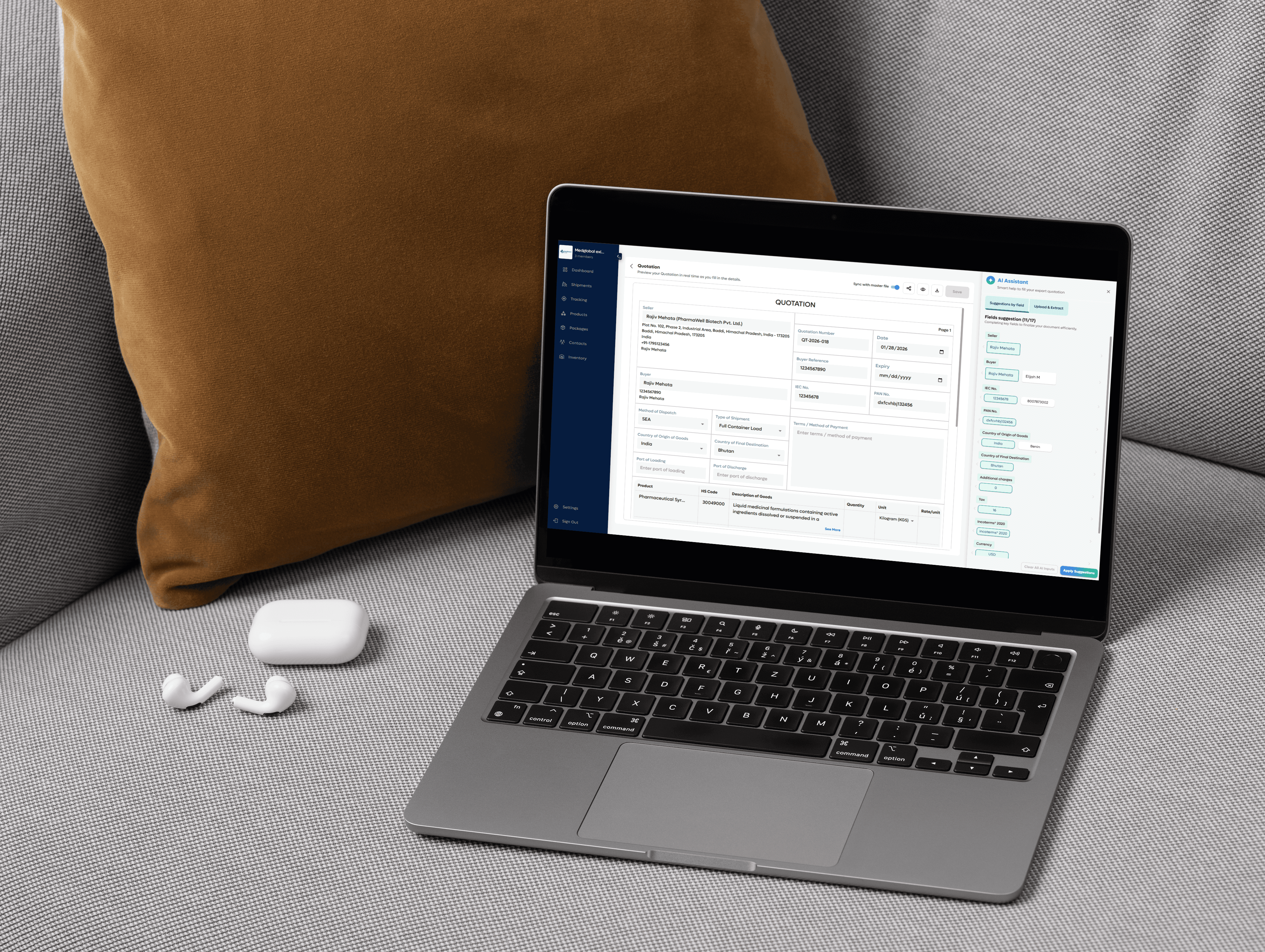
Bill of Exchange Template
A Bill of Exchange is a document used in international trade as a written order binding one party to pay a fixed sum of money to another party on demand or at a confirmed date. They are used to finance global trade and can be used to obtain credit when discounted with a financial institution.
What is a Bill of Exchange used for?
A Bill of Exchange is used primarily in international trade to request payment from buyers across borders. It gives exporters a way to collect funds for goods or services and may help them receive early payment when discounted through a financial institution.
While it is not a contract, the bill acts as a written document that records payment terms agreed by the buyer and seller. These terms often include the amount, maturity date, interest charges, and credit period. The bill is a negotiable financial instrument that can be transferred to others or presented to a bank for payment.
Under the Bills of Exchange Act 1882, the bill is defined as an unconditional written order, signed by one party and directing the drawee to pay a fixed sum of money to a third party, either on demand or at a specified future date. The drawee may be the importer or their bank.
Once goods are shipped, the exporter draws the bill and submits it to their bank along with shipping papers like the Bill of Lading. The remitting bank forwards the documents to the drawee’s bank, known as the collecting bank. The drawee’s bank then presents the bill to the buyer for acceptance or payment, depending on the agreed terms and conditions.

How to Create a Bill of Exchange in Freightnaut
Open Freightnaut: Log in to Freightnaut in your browser and navigate to the Export Documents section from the dashboard.
Choose the Bill of Exchange: Click Create New Shipmrnt and select Bill of Exchange from the list of available trade finance document templates. You can also add related export or banking documents to the same document set.
Fill out & customize with AI assistance: Enter payment, buyer, seller and shipment details required for the Bill of Exchange.
Freightnaut’s AI Assistant helps you:
Auto-fill party and shipment information
Sync data across invoices and other linked documents
Reduce manual entry and prevent inconsistencies
You can customize document fields and apply your company letterhead and branding.
Sign & seal digitally: Add a digital signature in the signature field and save the document. From the document preview screen, apply your digital company seal or stamp in one click no printing or scanning required.
Download or share instantly: Download or share the Bill of Exchange in PDF or CSV format with a single click. Documents can be securely shared with banks, buyers, freight forwarders or internal finance teams or imported into other systems without manual re-entry.
Your questions, answered
How does a Bill of Exchange work?
A Bill of Exchange is a payment instrument issued by the exporter to request payment from the importer.
After the goods are shipped, the exporter draws the Bill of Exchange and submits it—along with supporting documents such as the commercial invoice and bill of lading—to their bank. These documents are then forwarded to the importer’s bank.
The importer’s bank presents the Bill of Exchange to the buyer for acceptance or payment, depending on the agreed credit terms.
Once the buyer accepts the bill, they are legally obligated to pay the stated amount either on the agreed future date or upon presentation.
In Freightnaut, Bills of Exchange can be prepared alongside invoices and shipping documents to keep trade finance workflows aligned.
Who accepts a Bill of Exchange?
A Bill of Exchange is accepted by the drawee, usually:
The importer, or
The importer’s bank
Acceptance confirms the drawee’s agreement to pay the amount stated on the bill.
Some Bills of Exchange are payable on demand, while others are payable on a fixed future date.
What types of Bills of Exchange are used?
Common types include:
Bank Draft – Issued by a bank, with payment guaranteed by the issuing bank
Trade Draft – Issued by an individual exporter
Sight Draft – Payable immediately upon presentation; allows the exporter to retain title to the goods until payment
Usance (Time) Draft – Payable at a later agreed date, giving the importer time to receive goods before payment
The choice depends on risk, trust between parties, and agreed payment terms.
What are “Documents Against Acceptance” and “Documents Against Payment”?
These terms define when shipping documents are released to the importer:
Documents Against Acceptance (D/A)
Shipping documents are released once the importer accepts the Bill of Exchange.Documents Against Payment (D/P)
Shipping documents are released only after payment is made.
Once acceptance or payment is completed, the collecting bank releases the shipping documents and the original Bill of Lading, allowing the importer to take ownership of the cargo.
If a bank releases documents without receiving acceptance or payment, it may become liable for the loss.
How is a Bill of Exchange different from a Promissory Note?
Although similar, they serve different purposes:
A Bill of Exchange is issued by the seller (exporter) and orders the buyer to pay.
It usually involves three parties: drawer, drawee, and payee, and is commonly used in international trade.A Promissory Note is issued by the buyer and is a promise to pay the seller.
It involves two parties: maker and payee, and is often used in loans or domestic transactions.
Key differences:
Issuer: Seller (Bill of Exchange) vs Buyer (Promissory Note)
Nature: Order to pay vs Promise to pay
Parties: Three vs Two
Transferability: Bill of Exchange can be endorsed; Promissory Notes usually cannot
How is a Bill of Exchange different from a cheque?
A cheque is a specific type of Bill of Exchange, but there are key differences:
A cheque is always drawn on a bank and payable on demand
A Bill of Exchange can be drawn on a bank or an individual and may be payable at a future date
A Bill of Exchange requires acceptance by the drawee; a cheque does not
Bills of Exchange are more flexible and commonly used in international trade finance.
What information is included on a Bill of Exchange?
To avoid disputes or payment delays, a Bill of Exchange must include clear and complete details, such as:
Reference number (often linked to the shipment or commercial invoice)
Amount in figures and currency
Bill of Lading date (if applicable)
Place and date of issue
Payment terms (“At…”)
Pay to the order of (usually the exporter’s bank)
Amount written in words
Drawn under (reference numbers)
Date
Issued by (bank, if applicable)
Signed for and on behalf of the drawee (importer or importer’s bank)
Signed for and on behalf of the drawer (exporter)
Freightnaut helps ensure these details stay consistent with invoices and shipping documents, reducing errors in trade finance processes.